Our History
The Origins of Hakata Udon — Priest Shōichi Kokushi and the Introduction of Flour Milling Technology
Before telling the history of our restaurant, allow us to touch upon the deep connection between Hakata and udon.
About eight hundred years ago, during the Kamakura period. The port of Hakata, where trade with the Song Dynasty was flourishing, received various cultural artifacts from the continent. Among them, the person who introduced the technology that would greatly change Japanese food culture was a monk named Shōichi Kokushi.
Shōichi Kokushi studied Buddhism in Song (China) and returned to Japan after formally receiving the dharma from Jingshan Wanshou Temple, the most prestigious temple of the time. It is said that before Kokushi went to Song, he spent two years in Hakata, where a Song merchant named Xie Guoming taught him the language, customs, and culture of Song, and sent him to Song on his own ship.
When Kokushi returned from Song, he headed to Hakata on three ships, but encountered a fierce storm in the Genkai Sea, and two ships sank. On the surviving ship were Kokushi and Mitsuta Misaemon, who would become the founder of Hakata-ori textile. The ship carried precious treasures and books from Song, which would be passed down to Shōten-ji Temple, which Kokushi established.
One of these treasures was the "Water Mill Diagram" recorded at the end of the National Treasure "Great Song Mountains Map" housed at Tōfuku-ji Temple in Kyoto. This was a design drawing for a flour mill that used water wheels as power to link gears and stone mills to grind grains into flour. It was a practical technical drawing with center lines drawn on rotating parts such as transmission shafts and stone mills.
Through Japanese envoys to Sui and Tang, wheat-based confections that could be called the prototype of noodles had been introduced to Japan. However, Japan did not yet have the technology to efficiently grind wheat into flour. Since udon is made by kneading flour, noodles could not be made without the technology and tools for flour milling.
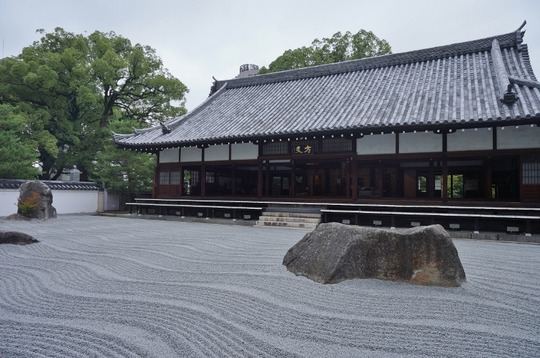
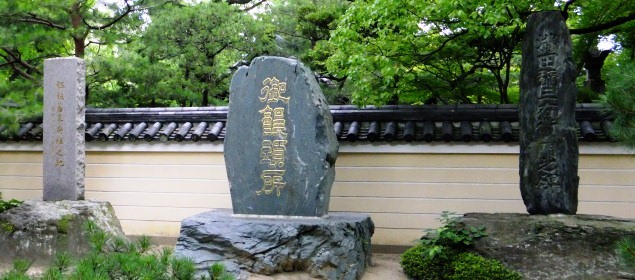
The flour milling technology brought by Shōichi Kokushi took root in Hakata and eventually spread throughout Japan. In the grounds of Shōten-ji Temple near Hakata Station, a stone monument still stands quietly inscribed with "The Birthplace of Udon and Soba." While there are various theories, Hakata is the place where udon was introduced to Japan—we continue to make udon every day, proud of this heritage.
It should be noted that when Shōichi Kokushi returned to Japan, an epidemic was spreading in Hakata, and many people were suffering. When asked to quell the epidemic, Kokushi had his disciples carry a segaki shelf, rode on it, and went around the town chanting sutras while sprinkling prayer water. This event, combined with offerings to Kushida Shrine, which enshrines Susanoo-no-Mikoto, the god of epidemic and evil spirit protection, is said to have led to today's Hakata Gion Yamakasa. Both Hakata udon and Hakata Gion Yamakasa are cultural treasures of Hakata connected to Shōichi Kokushi.
The Corner Udon Shop — The Beginning of Our Story
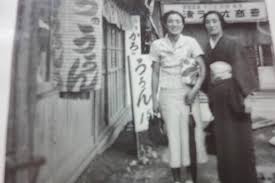
Meiji 15 (1882). About six hundred years after Shōichi Kokushi introduced flour milling technology, a small story began in a corner of Hakata.
The founder's name was Uriu Iso.
Iso had not originally intended to open an udon shop. She simply used a shed at her home to serve udon, which she was good at making, to close friends. She had no special ambition, nor did she have the desire to succeed as a business. She simply had a humble wish that someone would be pleased with the udon she made.
However, Iso's udon was exceptional. The soft, chewy texture, the deep flavor of carefully prepared dashi broth. People who tried it once would come back saying "I want to eat it again," and they would tell others "the udon there is delicious." Word spread quietly but surely.
Eventually, people began gathering at Iso's shed every day. "We need to make this a proper shop"—urged by those around her, Iso decided to formally establish an udon shop.
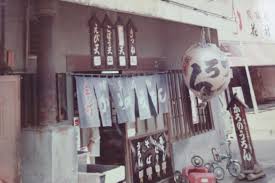
When the shop first opened, it had no name. However, because the shop was located on a street corner (kado), customers naturally began calling it "Kado no Udon" (Corner Udon Shop).
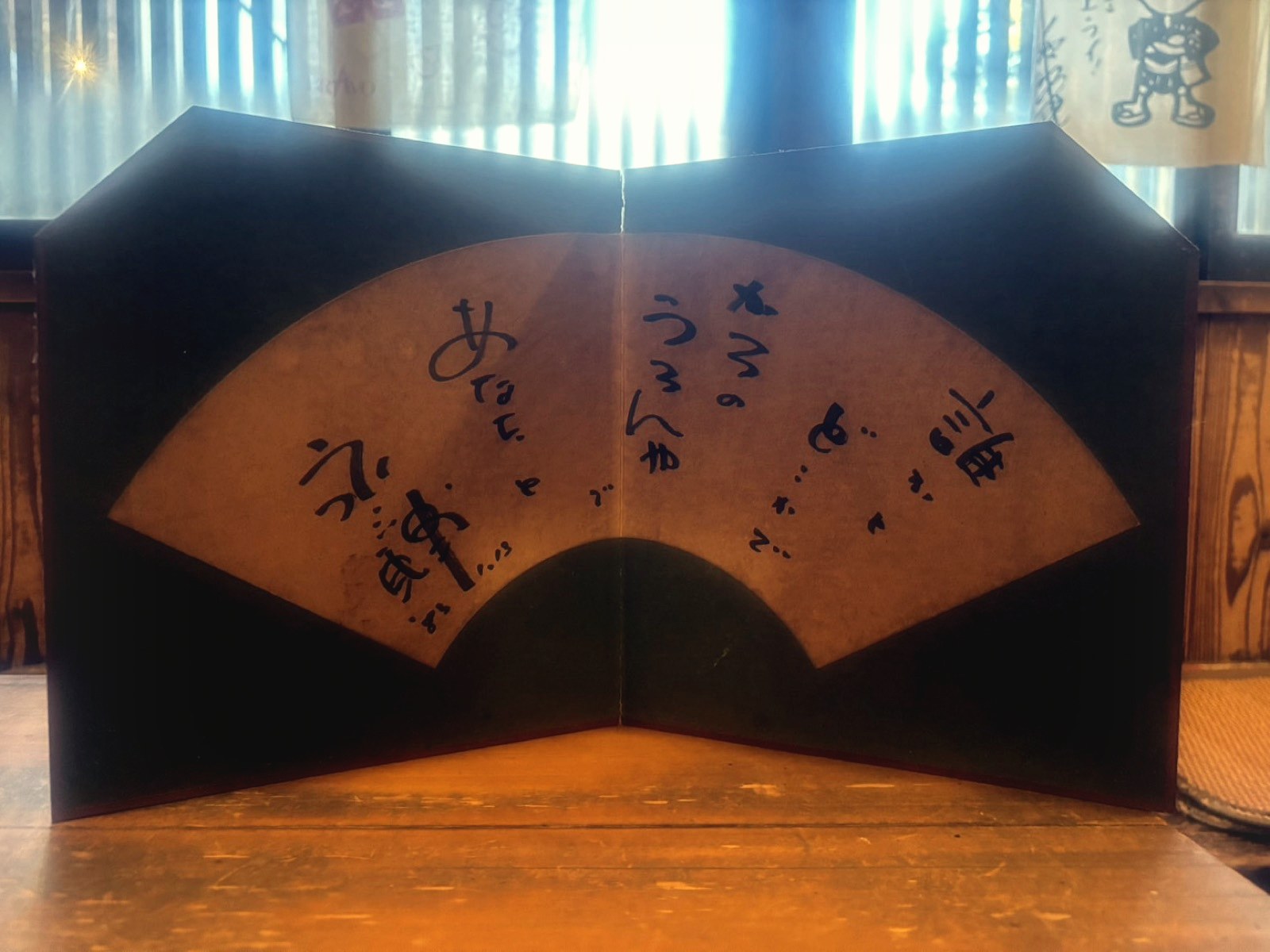
Here, the characteristics of Hakata dialect at the time come into play. In Hakata dialect during the Meiji period, voiced sounds "da, di, du, de, do" were not pronounced well and tended to sound like "ra, ri, ru, re, ro." "Kado no udon" became "Karo no uron" when spoken by Hakata locals. This charming sound must have been appealing, and it eventually became the official shop name.
A shop named by our customers—that is the origin of "Karo no Uron." As a shop nurtured by the city of Hakata and the people of Hakata, we are proud of this name.
Hakata Udon Culture — The Feelings Behind Softness
Hakata udon has a unique characteristic not found in other regions. That is the fluffy, chewy, soft noodles.
It is sometimes described as "lacking firmness," but we have a slightly different perspective. The unique "chewy texture" of Hakata, different from the elastic bite represented by Sanuki udon. We believe this is the essence of Hakata udon.
So why are Hakata udon noodles soft?
Hakata has long been a merchant city. During busy trading or when feeling a bit hungry, udon that could be eaten smoothly without much chewing was valued. Impatient Hakata locals would become upset if made to wait even five minutes. This gave birth to the "pre-boiled" culture.
Rather than boiling fresh noodles each time, noodles were pre-boiled thoroughly to make them soft, and when an order came in, they were reheated and served. This way, we could deliver warm udon without making customers wait.
Additionally, Kyushu wheat naturally has properties that make it difficult to develop firmness. Using this local wheat and finishing with the pre-boiling method created Hakata's unique fluffy texture.
There is a theory that Hakata ramen noodles are thin to shorten boiling time. It could be said that the impatient nature of Hakata locals has shaped Hakata's noodle culture.
Our restaurant also long maintained this pre-boiling tradition. We have continuously inherited the Hakata udon culture that has continued since the Edo period, since our founding in the Meiji era.
Times of Trial — Beyond the Flames of War
Our restaurant's journey of over 140 years has not been smooth.
With the Showa era, Japan entered an age of war. During World War II, Hakata was also threatened by air raids, and our restaurant was forced to evacuate for two years. Closing the shop and leaving the familiar place—it was heartbreaking.
When the war ended and we were finally able to return to Hakata, new difficulties awaited. Making udon requires water. However, in the chaos after the war, securing water was not easy.
Even when trying to dig a well, the ground was hard and difficult to dig. We couldn't reopen the shop—this desperate situation continued.
One day, an elderly woman came to visit the shop. The blind woman quietly said:
"Dig here."
Though half-doubting, when we dug at that spot—miraculously, water gushed forth.
There is no way to verify the truth of this legend now. However, we continue to tell this story with care. Being saved by someone's words in difficult times, having the courage to believe and act on those words—we believe we were able to reopen the shop thanks to such connections and mysterious coincidences.
Thus, our restaurant was able to begin making udon again in Hakata. We have heard from our predecessors that regular customers who had been coming since before the war were overjoyed, saying "I never thought the day would come when I could eat it again."
A Changing City, An Unchanging Place
The area where our restaurant is located has greatly changed its appearance over time.
At the time of our founding, this area is said to have been a field where frogs croaked. Although it was in central Hakata, a somewhat peaceful landscape spread out.
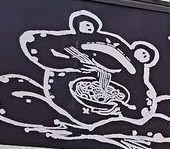
When digging up the land to build the shop, three bullfrogs were found crouching. This is the origin of the toad—called "wakurou" in Hakata dialect—which is our trademark.
The toad figurine and signboard placed at the shopfront bear this Hakata dialect inscription:
"Karo no uron ya ni wakurou ga sanbiki fukurouro tta gana"
(At the corner udon shop, three toads were said to have been crouching, puffed up)
This phrase has a continuation, and there is also a humorous story: "Karo no uron wo kute, noro (throat) ni hikkakatte ororoita (surprised)." This is our proud legend, full of Hakata local humor.
Today, this area has become a major tourist destination with large commercial facilities such as Canal City Hakata, bustling with visitors to Kushida Shrine and tourists. There is no trace of the former field.
However, in this ever-changing city, our restaurant continues to exist unchanged in this place. The "wakurou" at the shopfront still stands quietly today, welcoming customers.
The Fourth Generation — Changing the Noodles
Under the fourth-generation owner, Uriu Takayasu, our noodles changed significantly.
Hakata udon has a tradition of "pre-boiling." Our restaurant had followed this method since our founding. The softness described as "cuttable with the lips" is synonymous with Hakata udon.
At a certain point, our restaurant stopped pre-boiling and began serving freshly boiled noodles. To change a method upheld for over a century — one imagines there was much behind that decision that cannot be easily put into words.
Takayasu himself does not say much about it. He simply says, "I wanted to serve even better uron."
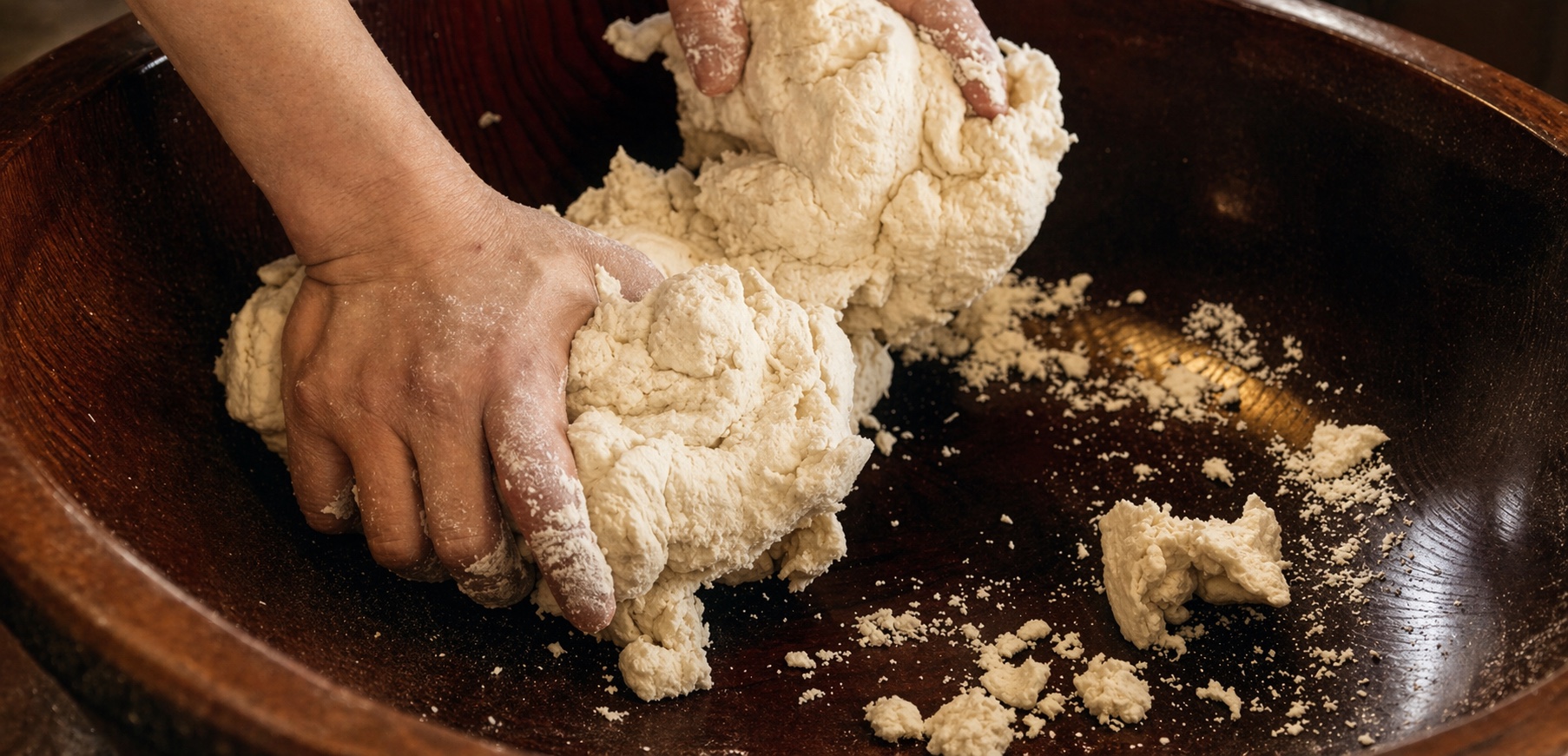
Our current noodles are hand-made the day before and rested overnight. We make the dough by blending high-quality wheat from that season, water with bamboo charcoal, and two types of salt. For the noodle ingredients, we mainly use "Chikugo Izumi," a Kyushu flour optimal for Hakata udon, and adjust the blend subtly according to temperature and humidity.
The kneaded dough is matured overnight by foot-stomping. Because this maturation time is necessary, we cannot suddenly increase production on the same day. Sold out—even so, we prioritize serving noodles in the best condition.
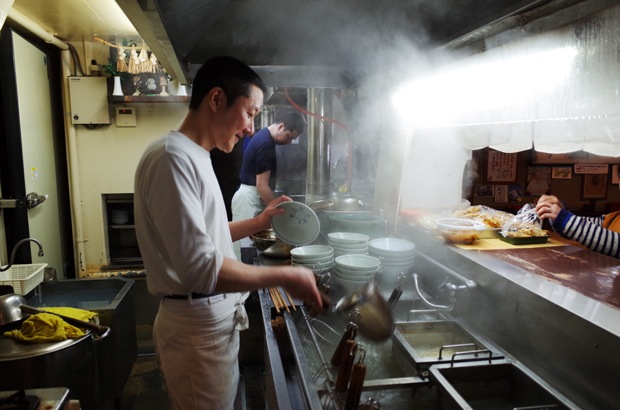
Freshly boiled noodles have firm texture within their soft, chewy feel. When you put them in your mouth, you feel a gentle elasticity, and the throat feel is smooth. We have completed a bowl that retains the goodness of Hakata udon while adding new appeal.
"It's often described as 'lacking firmness,' but as you'll understand when you eat it, the chewy texture is more important than firmness. But we've adjusted the noodle hardness slightly to match the times. Recently, firmer noodles are preferred compared to the past."
Takayasu becomes just a little more talkative when it comes to noodles. About everything else, he says very little.
Unchanging Dashi, Unchanging Feelings
While the noodle method has changed, our dashi broth has maintained the same traditional taste since our founding.
Our dashi is made only with high-quality natural ingredients: Rausu kelp from Hokkaido as the main ingredient, along with Rishiri kelp, bonito flakes, and iriko (dried sardines). We use the finest Rausu kelp abundantly and carefully, carefully prepare our dashi.
It is not uncommon for us to start preparation at three in the morning. To make good dashi, we must not spare time and effort.
The "sume" (Hakata dialect for soup) seasoned with light soy sauce has a light yet deep, gentle flavor. When customers say they want to drink it all—that is our greatest joy.
As you eat, the noodles absorb the dashi and transform into a fluffy texture. The aromatic dashi extracted from kelp, bonito flakes, and iriko seeps into the noodles, and the flavor deepens with each bite. This is the essence of Hakata udon.
Hakata's Proud Toppings — Gobo Tempura and Maruten
Let us also introduce our popular menu items.
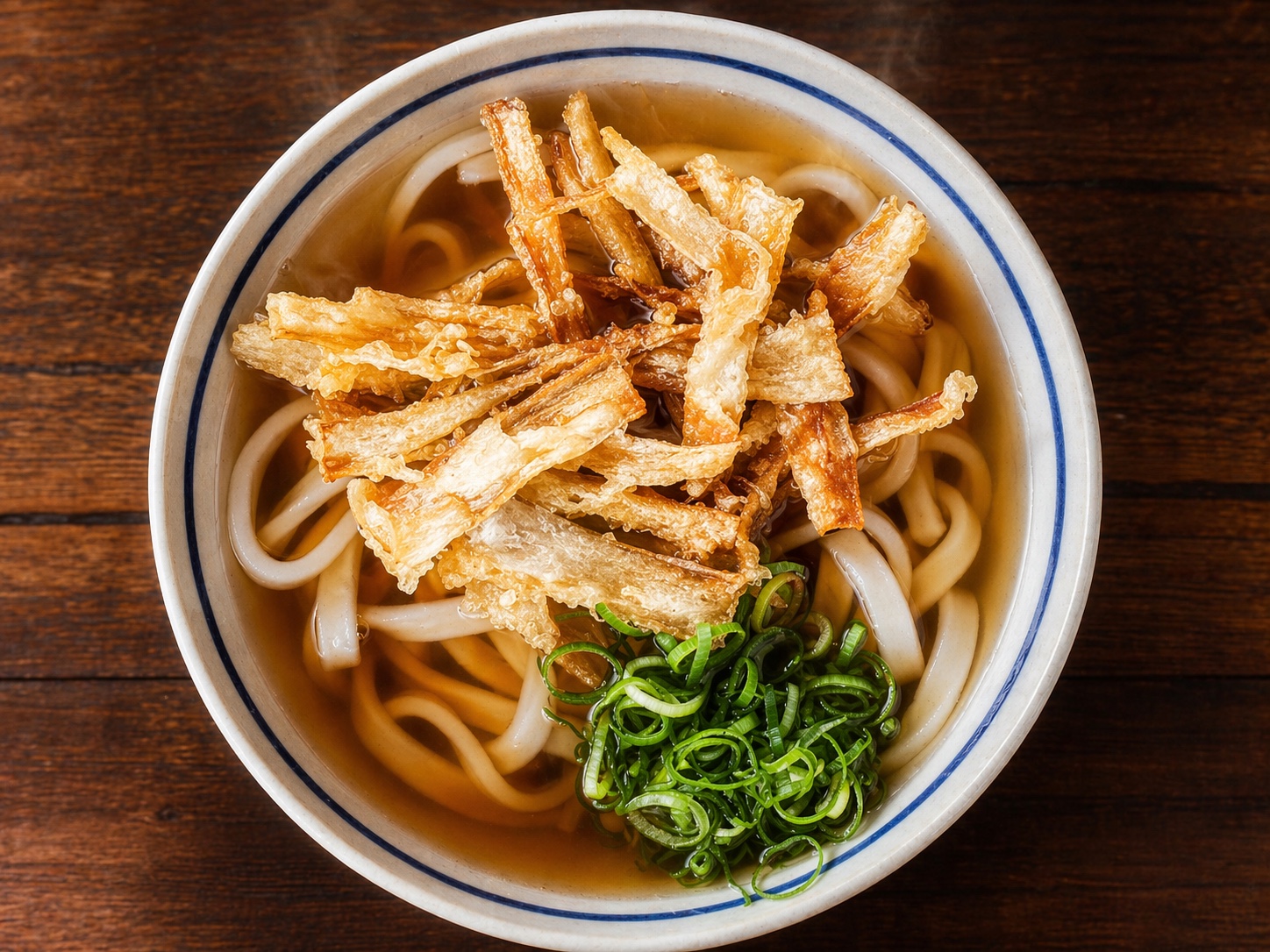
The overwhelmingly popular topping is gobo tempura.
Hakata udon and gobo tempura have an inseparable relationship. Burdock is sliced thin into sheets, cut into sticks, or made into kakiage (mixed tempura), with various shapes, but they all share the common point of placing burdock tempura on udon.
Actually, this gobo tempura is not a common menu item nationwide. It is said to be found only as far east as around Okayama, and it is a food culture centered on Hakata. The umami of burdock and oil dissolves into the dashi, making the udon flavor even deeper.
And the second most popular is maruten. This is fish paste formed into rounds and fried, which may not be familiar to those from the Kanto region. However, in Hakata, it is a standard item. The fluffy texture and seafood umami pair well with the gentle dashi.
Our restaurant has an "off-menu" item not listed on the official menu. Its name is "Gobomaru"—a luxurious bowl with both gobo tempura and maruten.
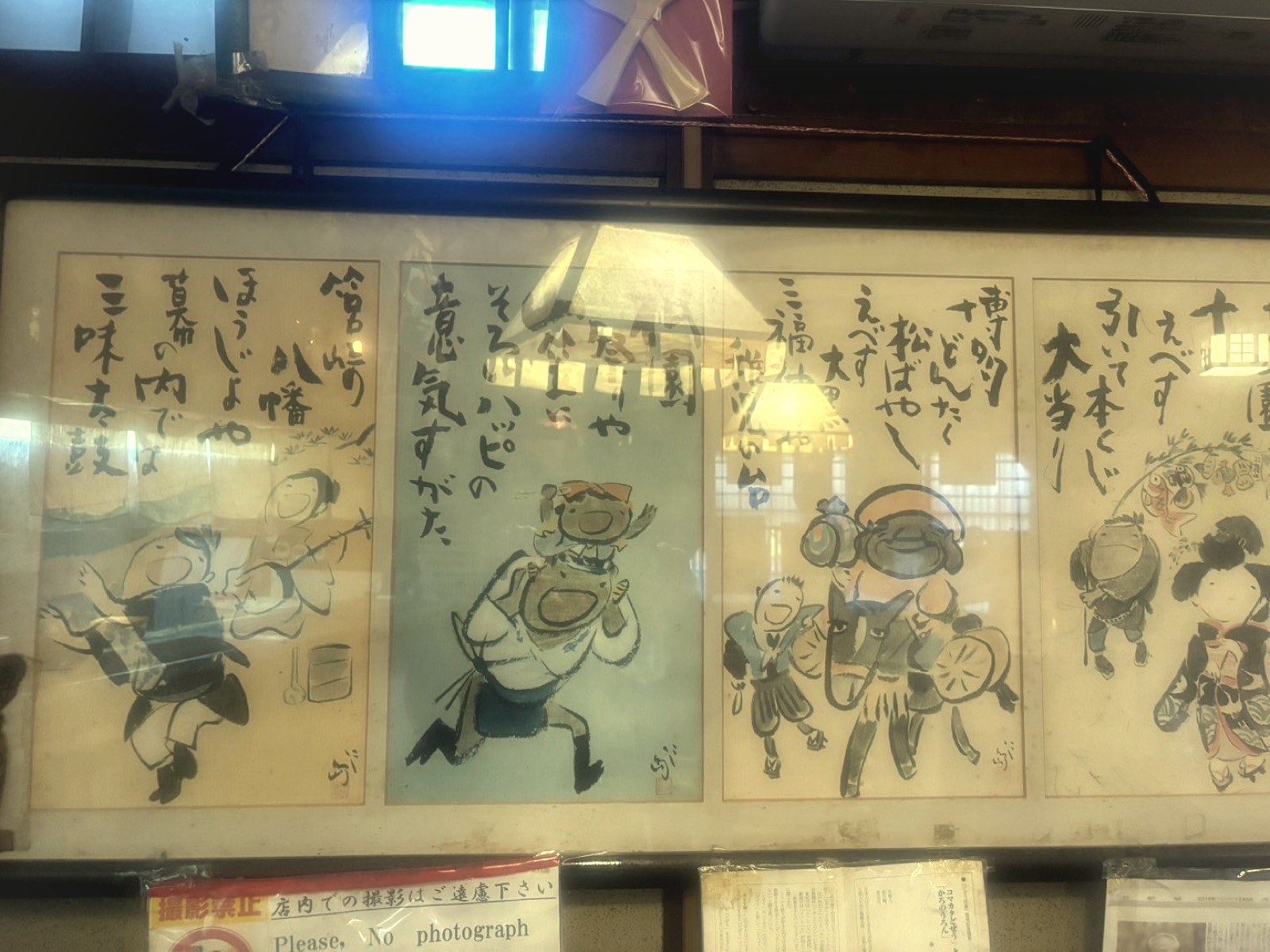
The spread of this menu item began with comedian Komatsu Masao. Mr. Komatsu, who once lived in the neighborhood, frequently visited our restaurant. Each time, he ordered this combination of gobo tempura and maruten. Among regular customers, it became known as "what Komatsu-san ordered," and it is now a popular menu item known to those in the know.
Loved by Many
Over 140 years since our founding. Our restaurant has been supported by truly many people.
Photos of famous people are displayed in our restaurant. Mr. Komatsu Masao, Mr. Kai Yoshihiro, Mr. Sada Masashi, Mr. Maekawa Kiyoshi—many are from Kyushu, perhaps because of nostalgia for the taste of home. Many say "I always stop by when I come to Hakata."
However, what makes us happiest is that we continue to be loved by the local Hakata community.
We sometimes see the faces of regular customers who have been coming since before the war. There are families who visit across three or four generations. "I can't forget the taste I had as a child," "The memorable restaurant my grandmother took me to"—every time we hear such words, we feel from the heart that it was good to continue this shop.
In recent years, we have also welcomed many tourists with guidebooks. The number of customers from overseas has increased, and our customer base is becoming increasingly international. On weekends, we sometimes sell out even when we prepare over 300 servings. We often have people wait, and feel sorry about it, but we are deeply grateful to everyone who visits.
"When it comes to Hakata udon, Karo no Uron"—it has come to be said that no one from Fukuoka doesn't know us. We will continue to work hard to live up to this evaluation.
The Future of "Karo no Uron"
"There is no end to pursuing noodles that are soft with good texture and cling to the sume. Now, I am chasing the taste of my late predecessor."
The fourth generation, Takayasu, says this.
While preserving the taste inherited from our predecessors, we continue to evolve in pursuit of a better bowl. What a traditional restaurant can do, what a traditional restaurant must do. We feel the weight of this responsibility every day.
Thirty years of making noodles. Our predecessor made noodles for fifty years. Following in those footsteps, we continue to make udon today.
The city of Hakata continues to change. The former field has become high-rise buildings, and the faces of visitors have also changed. However, no matter how much the city changes, we will continue to exist here unchanged. To heal our customers' hearts and bodies with warm udon. We believe that is our mission.
About eight hundred years since Shōichi Kokushi introduced flour milling technology. The noodle culture that took root in Hakata continues to be inherited today. The history and culture told by a bowl of udon. Carrying this weight in our hearts, we will continue to preserve Hakata's taste.
"The corner udon shop" of Hakata. Please feel free to stop by. We await you with warm udon and heartfelt hospitality.